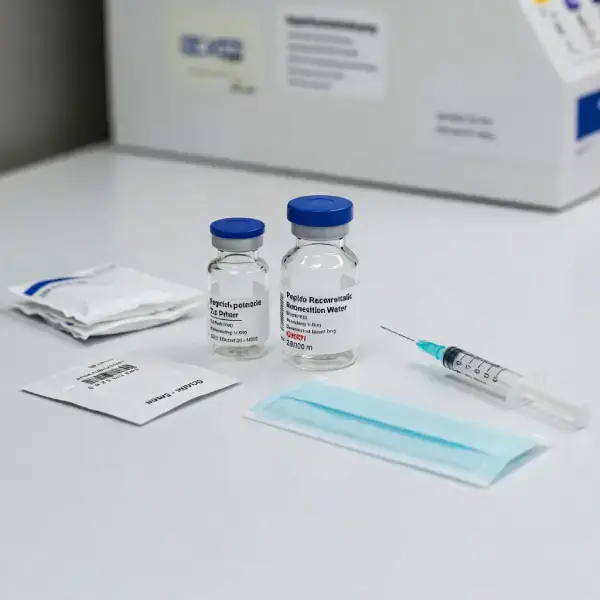
Step 1
Receiving & Inspecting Your Order
1. Upon arrival, inspect the packaging carefully to ensure that all vials are intact and seals are undamaged.
2. Before opening, verify that the label matches your order details.
3. If you notice any damaged or compromised vials, do not use them—contact supplier immediately for assistance.
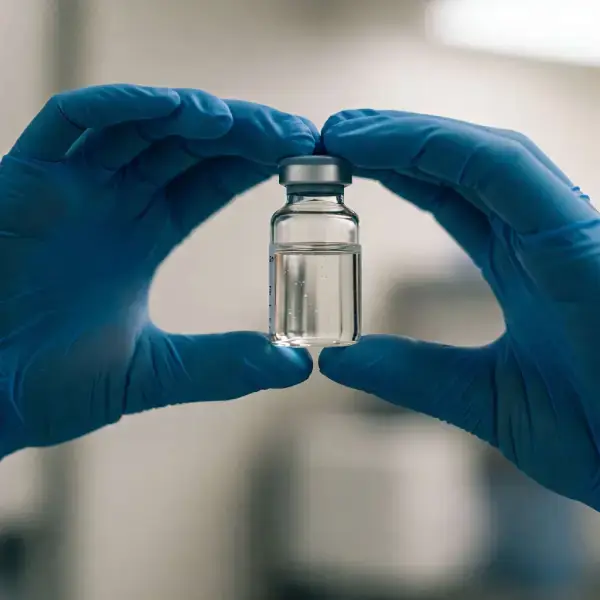
Step 2
Storage Before Reconstitution
- Store lyophilized (freeze-dried) peptide vials in the refrigerator at a temperature between 2–8°C.
- Avoid exposure to direct light; if possible, keep them in a dark drawer or an opaque container.
- Do not freeze lyophilized peptides unless specifically instructed to do so, as freezing may degrade the powder.
- Always store vials in an upright position to prevent the stopper from contacting the powder.
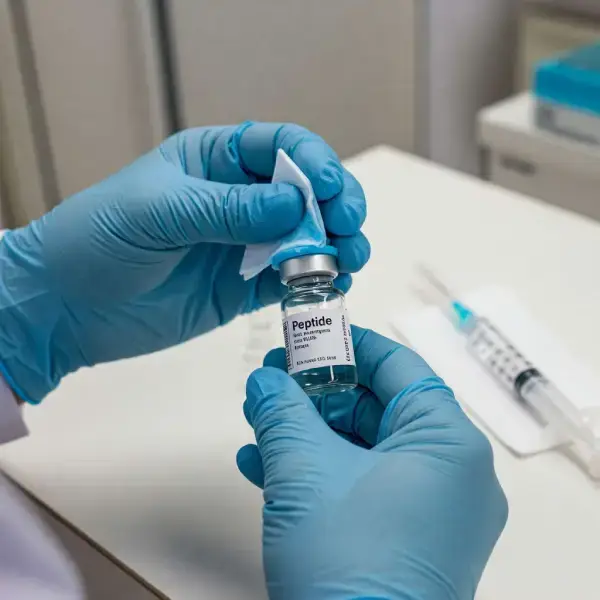
Step 3
Reconstitution Protocol
1. Use only sterile Bacteriostatic Water (BAC Water) for reconstitution.
2. Clean the rubber stoppers of both the peptide vial and the BAC Water vial with an alcohol prep pad, then let them air dry.
3. Draw the desired amount of BAC Water into a sterile syringe.
4. Insert the needle into the peptide vial at an angle and slowly inject the BAC Water down the side of the vial, avoiding direct contact with the powder.
5. Gently swirl the vial to mix; do not shake or vortex, as this may denature the peptide.
6. Wait for the solution to completely dissolve before drawing up your dose.

Step 4
Storage After Reconstitution
1. Once reconstituted, store the peptide solution in the refrigerator at a temperature between 2–8°C.
2. When handled properly and kept refrigerated, reconstituted peptides can remain stable for up to 120 days, provided that strict safety and hygiene standards are observed.
3. Be sure to label your vial with the reconstitution date to keep track of its freshness.
4. Avoid freezing reconstituted peptides.
5. If the liquid in the vial appears grey or cloudy, it should be discarded, especially if it does not clear after sitting at room temperature for 15 minutes.
Step 5
Safe Handling Practices
1. Begin by thoroughly washing your hands before handling any vials, syringes, or needles.
2. Always use a new, sterile syringe and needle for each draw; never reuse them.
3. Work in a clean, well-lit environment to reduce the risk of contamination.
4. Refrain from touching the needle tip or the inside of the syringe plunger to preserve sterility.
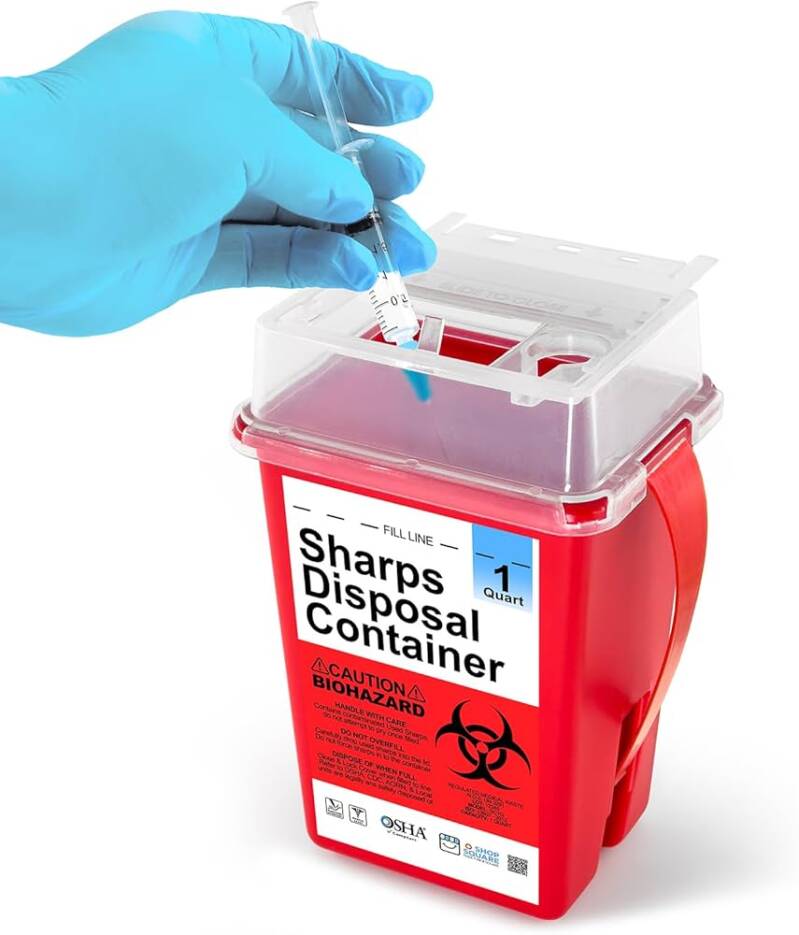
5. Immediately dispose of used sharps in a designated sharps container; never recap needles.
Step 6
Disposal & Safety
1. Safely dispose of all needles and syringes in a designated sharps container.
2. Never place sharps in regular household waste.
3. When a sharps container is full, seal it and adhere to your local council's disposal guidelines.
4. Dispose of empty vials in general waste, as they are not classified as sharps.
Storage & Disposal
Storage & Sharps Disposal Guidelines
Proper storage and disposal are essential for maintaining product integrity and ensuring personal safety. Follow these guidelines to handle your peptides, BAC water, and sharps appropriately.